Essential Country and City Guide
Before diving into your adventure, here is everything you need to know about Hungary and Budapest — geography, population, currency, weather, and the neighborhoods you'll be exploring.
Area
93 030 km²
In the heart of Central Europe within the Carpathian Basin. Bordered by Austria, Slovakia, Ukraine, Romania, Serbia, Croatia, and Slovenia.
Population
~9.7 million
Nearly 1.75 million live in Budapest — one-sixth of the country is concentrated in the capital.
Official Language
Hungarian
A Finno-Ugric language, unique in Europe. Neither Slavic nor Romance — though English is widely spoken across the country.
Currency
Forint (HUF)
1 EUR ≈ 390 HUF, 1 USD ≈ 360 HUF (approximate, always check the current exchange rate!). Never pay with Euros in shops — they offer unfavorable exchange rates.
Budapest = Buda + Pest
Split by the Danube, but unified since 1873 — a single city with two completely different faces.
Buda (Western Bank)
Hilly, green, and quieter — home to the Castle District, Gellért Hill, and the Buda Hills. Narrow winding streets, historic charm, and city panoramas. Locals live here; tourists come here for photos.
Pest (Eastern Bank)
Flat, vibrant, and urban — home to Parliament, the Basilica, Váci Street, ruin bars, and the party district. This is where the action is: restaurants, shops, and main transit lines. Most tourists stay on this side.
Most Visited Zones by Tourists
Buda Castle District (District I)
Historic core — Fisherman's Bastion, Matthias Church, Royal Palace. Accessible on foot or via the funicular/chairlift.
Downtown – Lipótváros (District V)
Parliament, St. Stephen's Basilica, Váci Street, Danube Promenade. The most visited tourist zone.
Terézváros – Erzsébetváros (Districts VI–VII)
Andrássy Avenue, Opera House, Jewish Quarter, and ruin bars. The center of Budapest's vibrant nightlife.
Józsefváros – Ferencváros (Districts VIII–IX)
Up-and-coming, youthful neighborhoods — Great Market Hall, Ráday Street, university life.
Margaret Island & Óbuda (Districts II–III)
Green oasis on the Danube, quiet residential areas, Roman ruins, Zichy Castle — the quieter side of Buda.
Weather and Seasons
Hungarian weather can be whimsical: 35°C in summer, freezing temperatures in winter. Dress in layers — and always keep an umbrella in your bag.
Summer (Jun–Aug)
Current weather on Időkép25–35 °C
Hot and sunny — Lake Balaton and thermal baths offer refuge. AC everywhere, but the metro stays cool.
Autumn (Sep–Nov)
Current weather on Időkép8–22 °C
Golden colors, wine tasting, mild days, and cool evenings. Dress in layers — the weather changes fast.
Winter (Dec–Feb)
Current weather on Időkép−5–5 °C
Cold, foggy, snow. Soaking in an outdoor thermal pool surrounded by snow is a once-in-a-lifetime experience. Gloves, scarf, and hat are a must.
Spring (Mar–May)
Current weather on Időkép10–22 °C
Occasional spring showers — always keep an umbrella handy. The city is at its absolute prettiest during this time.
Essential Hungarian Words
Greetings, dining phrases, and transport words — we've gathered the most important ones on the language phrase card. A few Hungarian words guarantee a smile from the locals.
Hungarian Language – 1-Minute Guide
The most essential words and phrases for travelers in Budapest — greetings, dining, transport terms, plus emergency words. Save it and take it with you on the road!
Greetings
- SziaHello / Hi (informal)
- Jó napotGood day (polite greeting)
- KöszönömThank you
- ViszlátGoodbye
- KéremPlease / You're welcome
Dining & Restaurants
- ÉtlapMenu
- VízWater
- SzámlaBill
- Kártya?Card payment?
- BorravalóTip (10%)
Getting Around
- JegyTicket
- MetróMetro
- BuszBus
- VillamosTram
- MegállóStop
Emergency & Safety
- Segítség!Help!
- RendőrségPolice
- GyógyszertárPharmacy
- KórházHospital
Cultural Tips
- Hungarians are kind, but reserved.
- Saying "köszönöm" (thank you) always leaves a good impression.
- English is spoken in most places.
- Using a few Hungarian words guarantees a smile.
What Locals Know, You Will Too
Eight thematic blocks on daily Hungarian customs — from greetings to paying. Click the cards for details.
Hungarian Specialties You Can't Miss
Discover the flavors, dishes, and drinks that you shouldn't miss during a trip to Hungary.
Eateries – Local Canteens
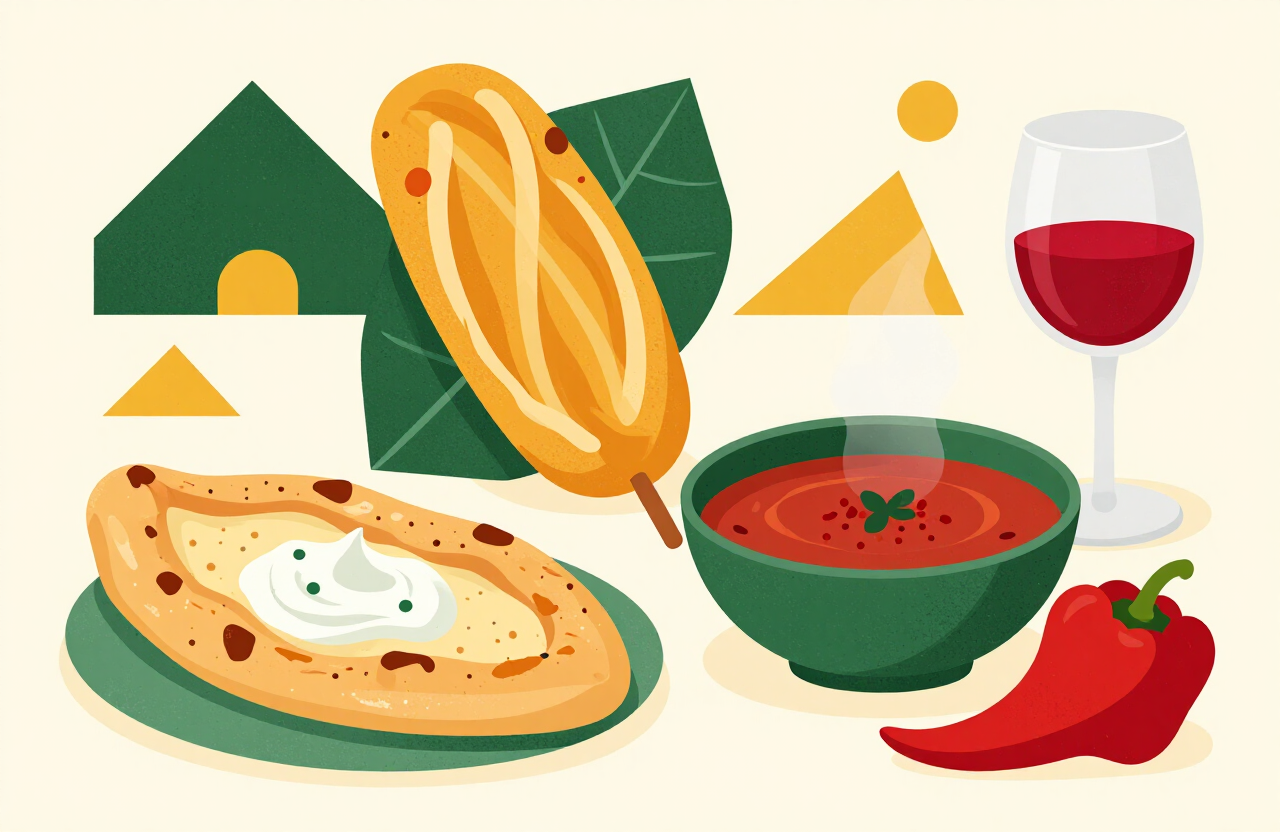
Self-service, nostalgic small restaurants where locals eat lunch. Kádár Étkezde on Klauzál tér or Frici Papa on Király utca: stew, főzelék, túrós csusza — you can fill up for 2–3 thousand forints.
Markets and Market Halls
The Great Market Hall at Fővám tér is a must: paprika and sausage on the ground floor, lángos and stuffed cabbage upstairs. For a more local vibe: Fény utca market or Hold utca market in downtown.
Coffee House Culture
The New York Café is gorgeous, but touristy. Locals go to specialty coffee shops (Espresso Embassy, Madal) or historic confectioneries (Ruszwurm in the Castle, since 1827!).
Ruin Bars
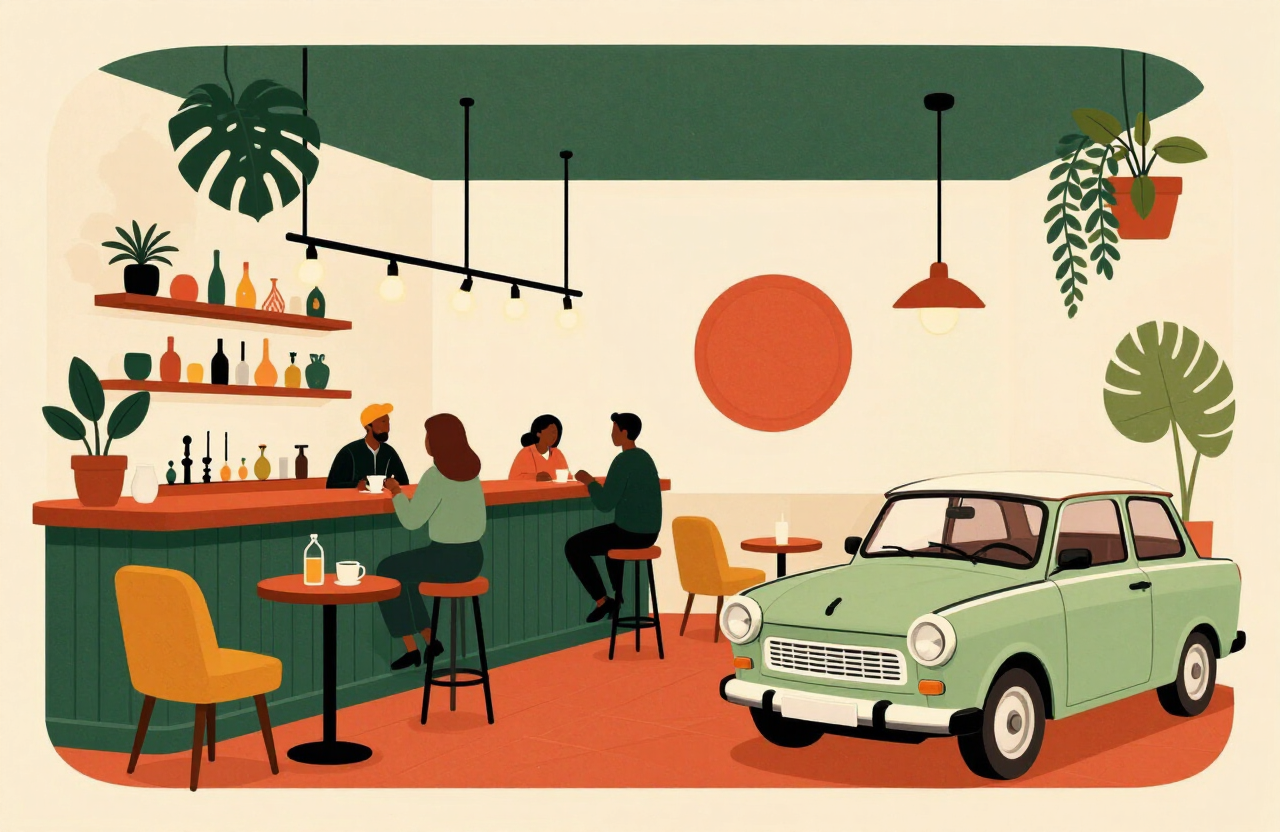
Szimpla Kert on Kazinczy utca is the original: ruined tenement building, antique furniture, Trabant seats. There's also a farmers' market on Sunday mornings. The surrounding area is the party district — loud at night, but unforgettable.
Eight Dishes You Can't Miss
Check them all off before you head home — lángos and Túró Rudi are mandatory.
Gulyásleves
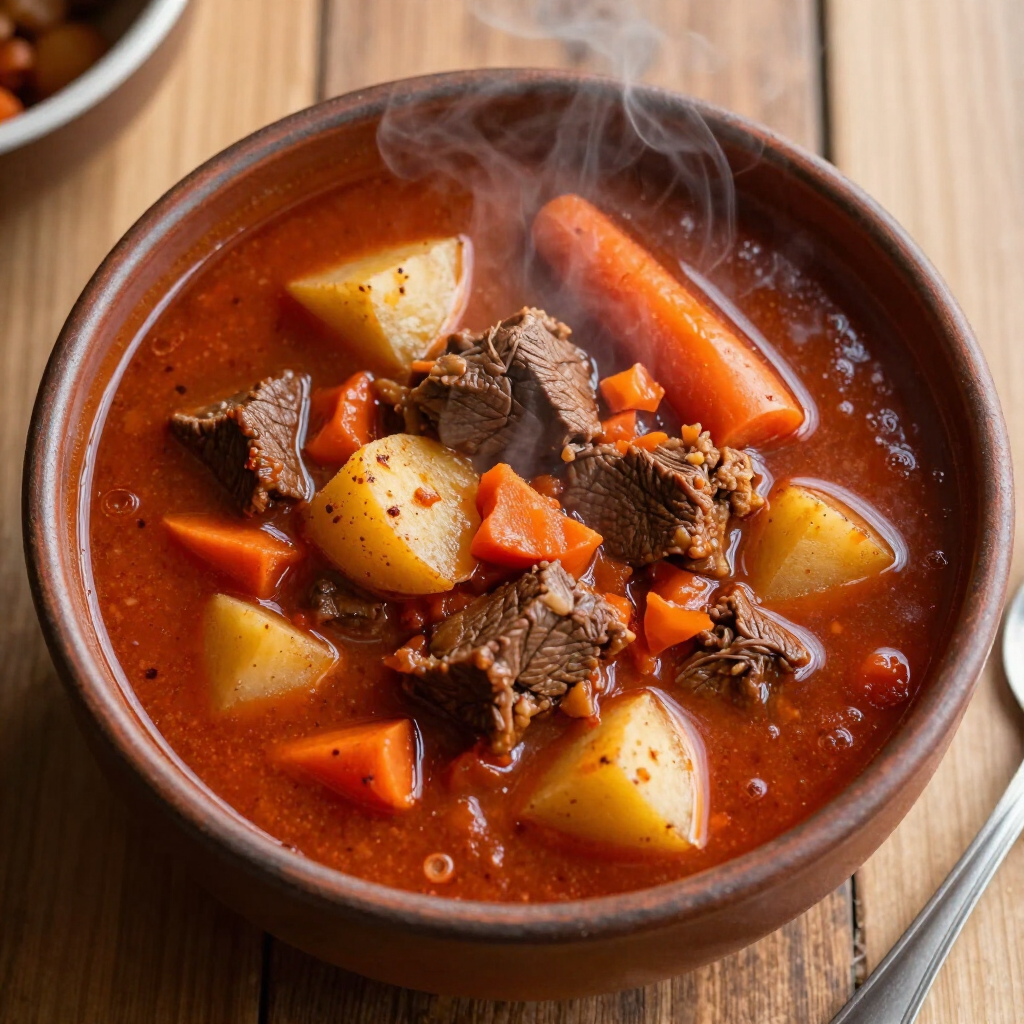
Beef, potatoes, csipetke (dumplings), and plenty of paprika — remember, it's a soup, not a stew! Locals love it spicy.

Halászlé
Paprika-based fish soup made with carp — best in towns along the Danube, and a must at Christmas.
Lángos
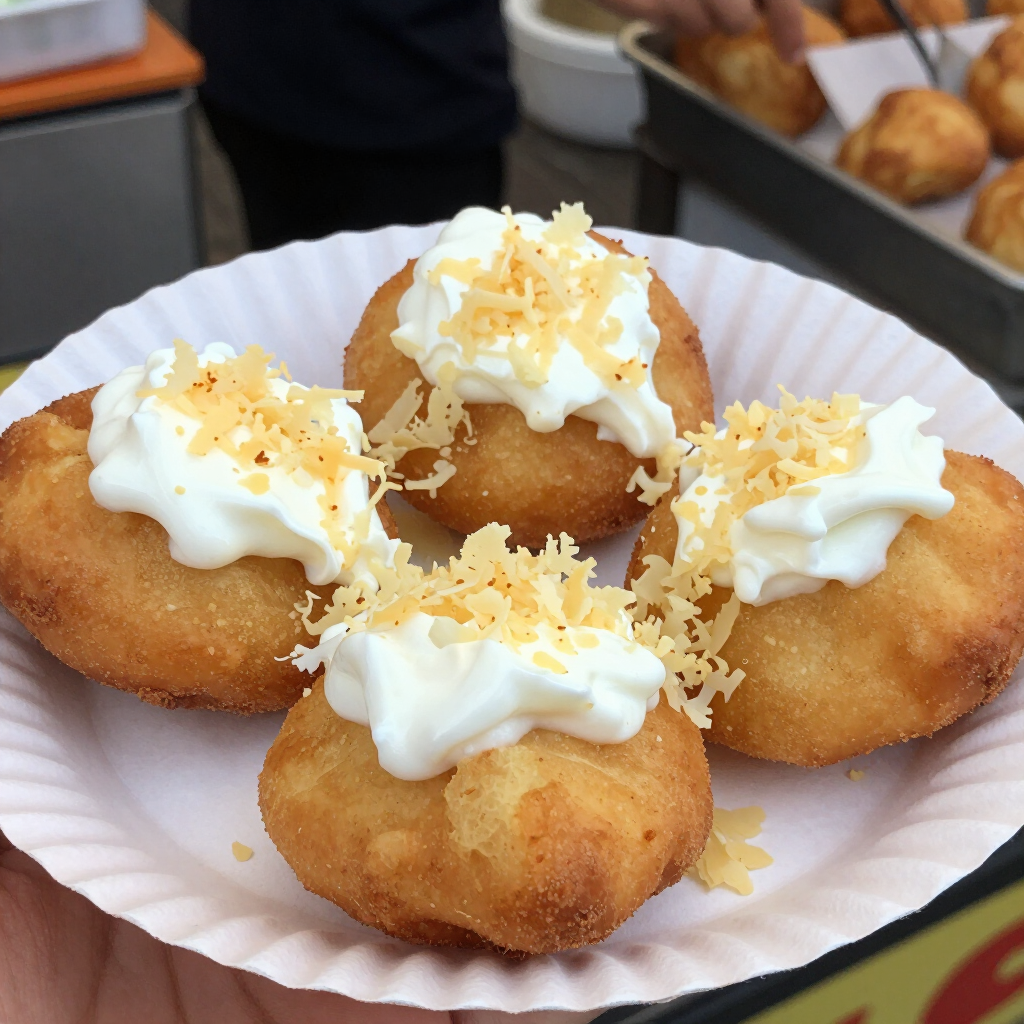
Freshly fried dough with garlic, sour cream, and cheese. Best found at markets and by Lake Balaton.
Stuffed Cabbage
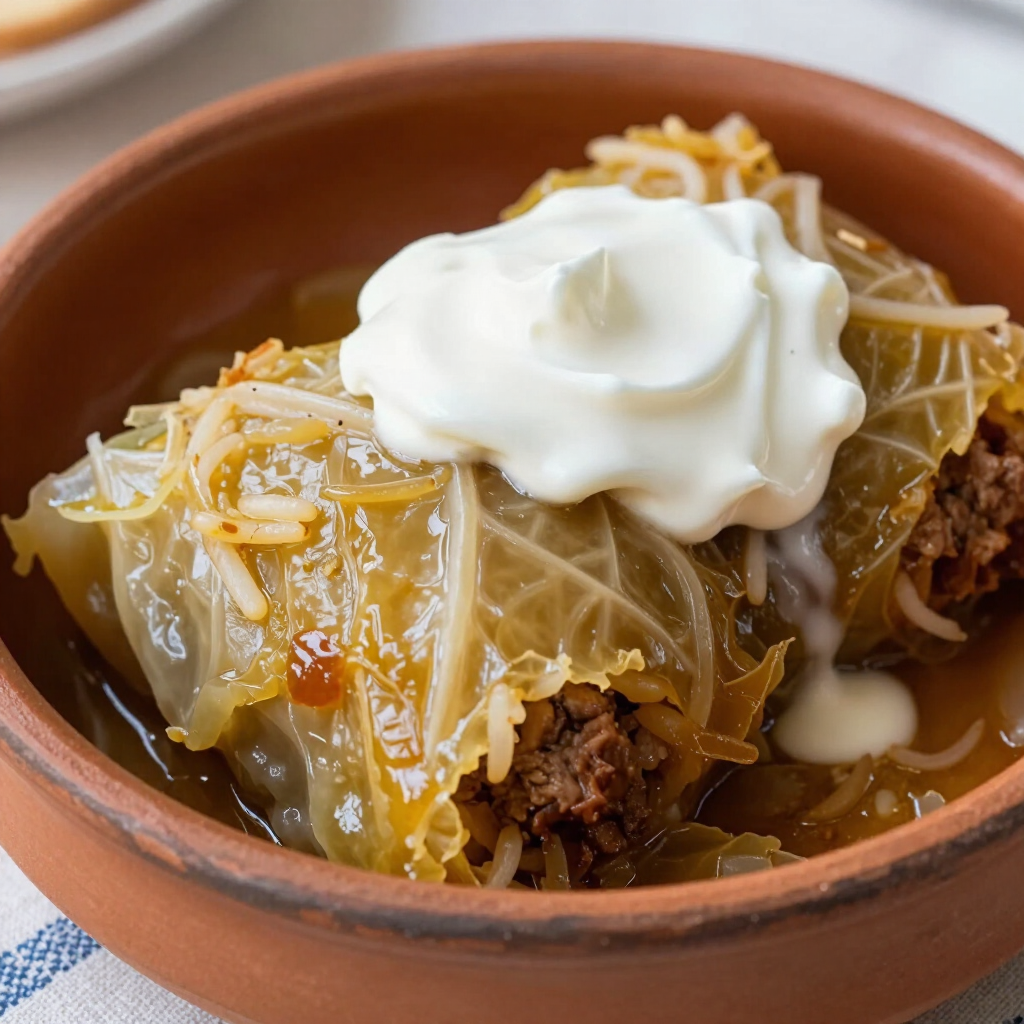
Minced meat and rice wrapped in sour cabbage, topped with sour cream. A winter classic and the pride of local eateries.
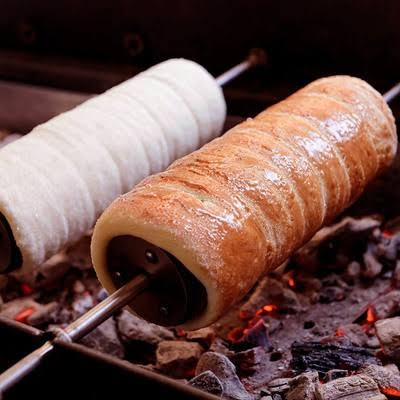
Kürtőskalács
Székely origin, sweet pastry roasted on a spit and rolled in cinnamon-vanilla sugar. Divine when fresh.
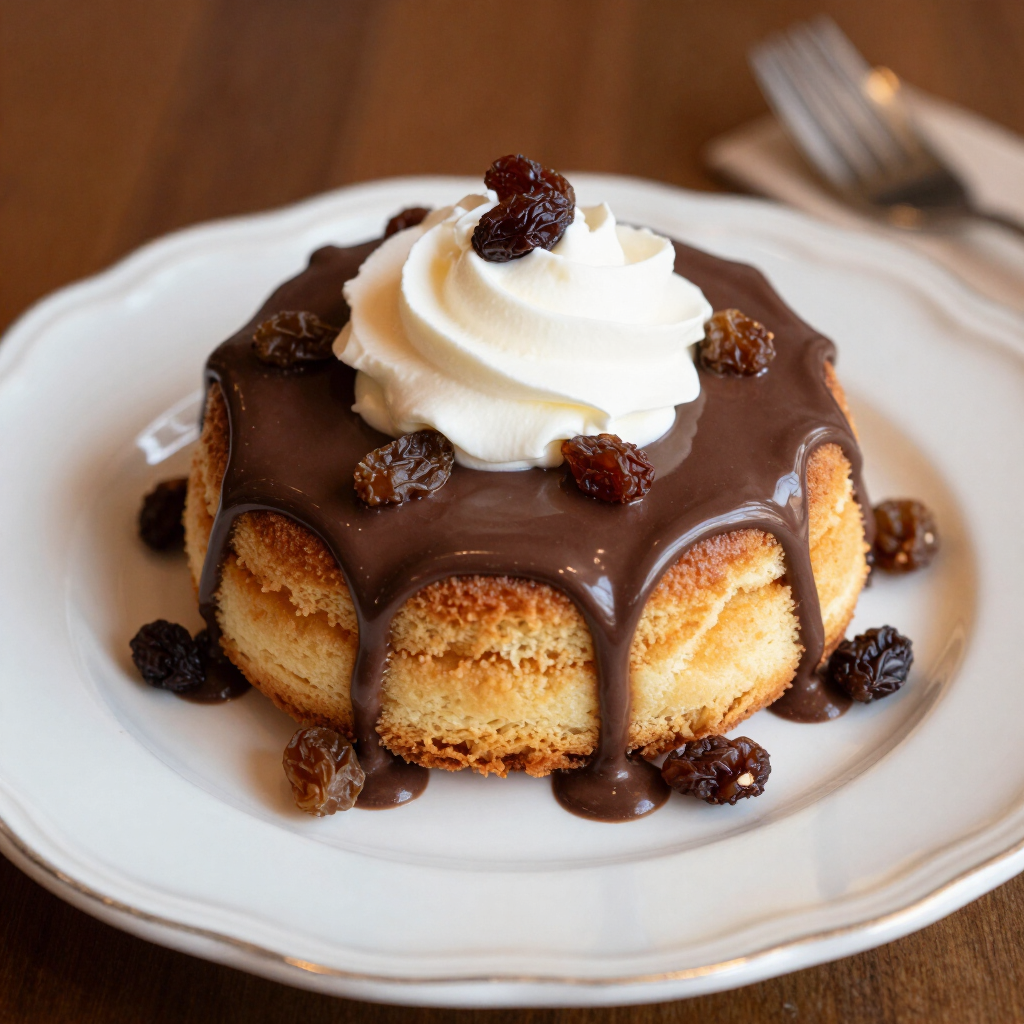
Somlói Galuska
Sponge cake, chocolate sauce, rum, and whipped cream — the queen of Hungarian desserts.
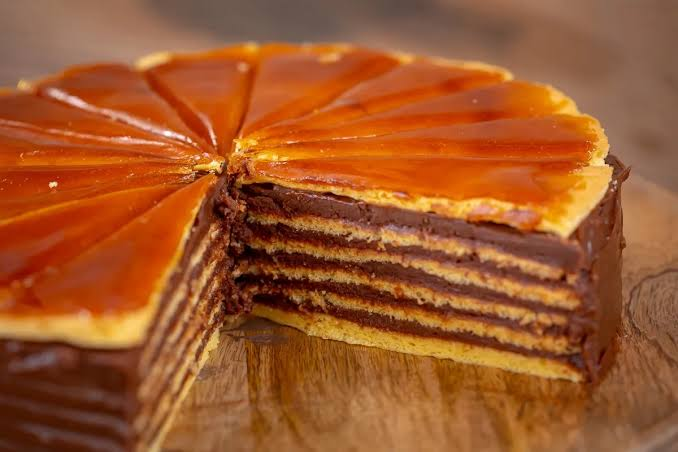
Dobos Cake
Caramel-topped buttercream classic dating back to 1884. Best tasted at Gerbeaud.
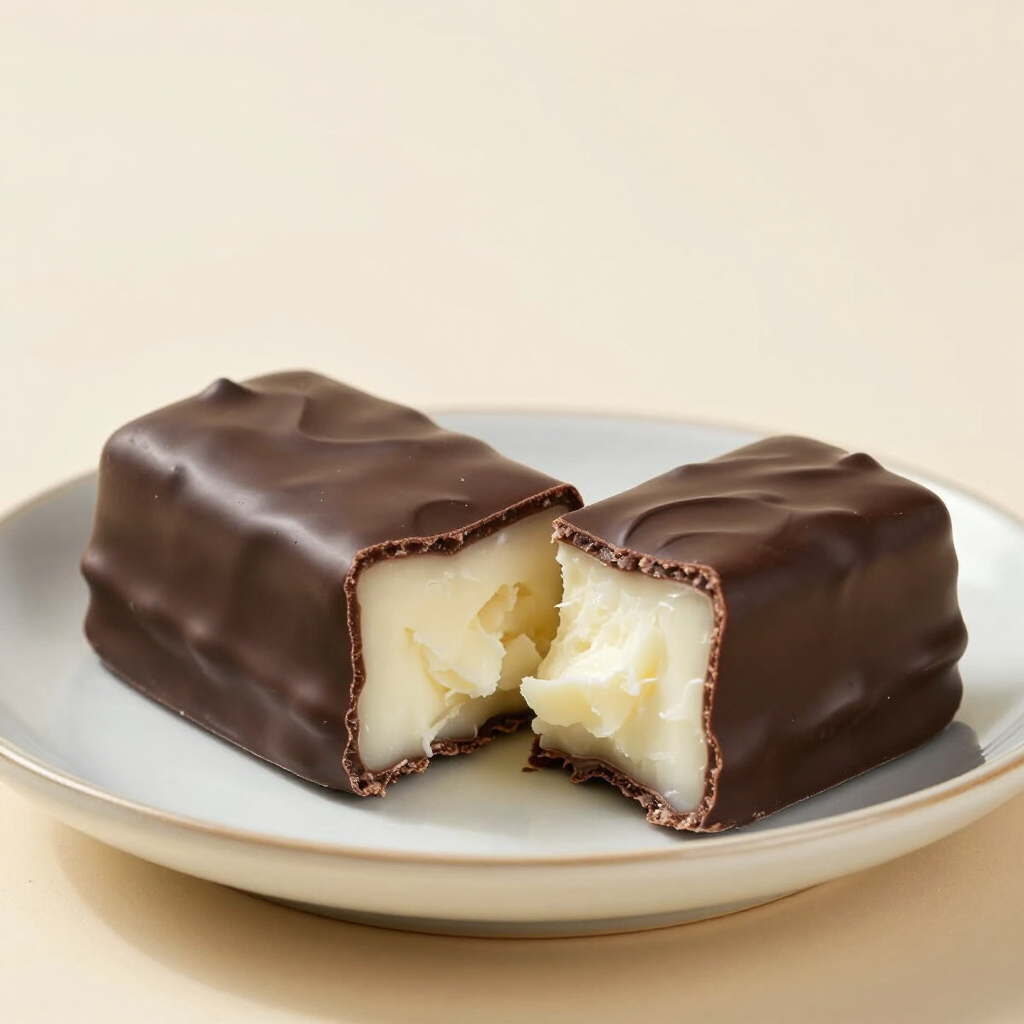
Túró Rudi
A chilled chocolate-coated cottage cheese bar — an absolute childhood obsession for Hungarians. "Pöttyös" is the most famous brand.
Four Drinks, Four Stories
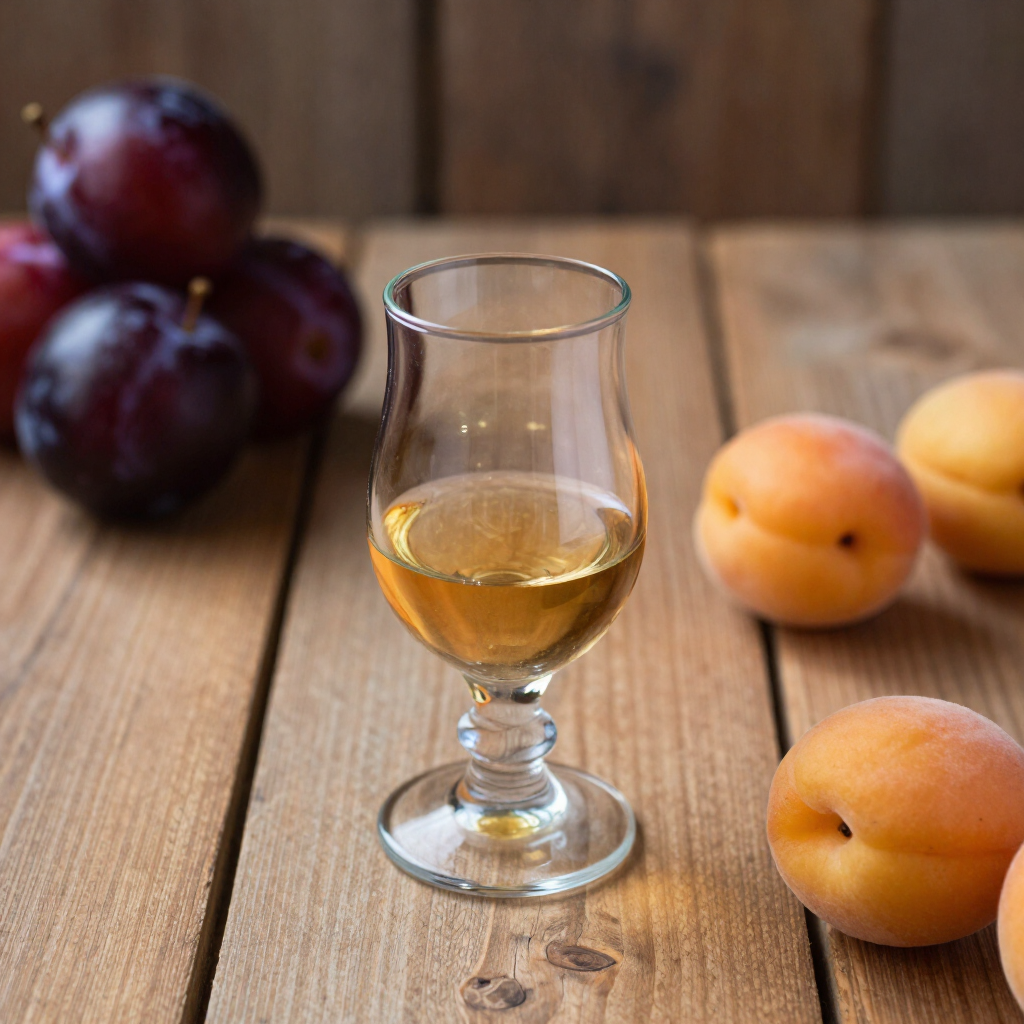
Pálinka
Fruit brandy (plum, apricot, quince) — not a liqueur! Locals drink it "like a man" in one gulp, without toasting.
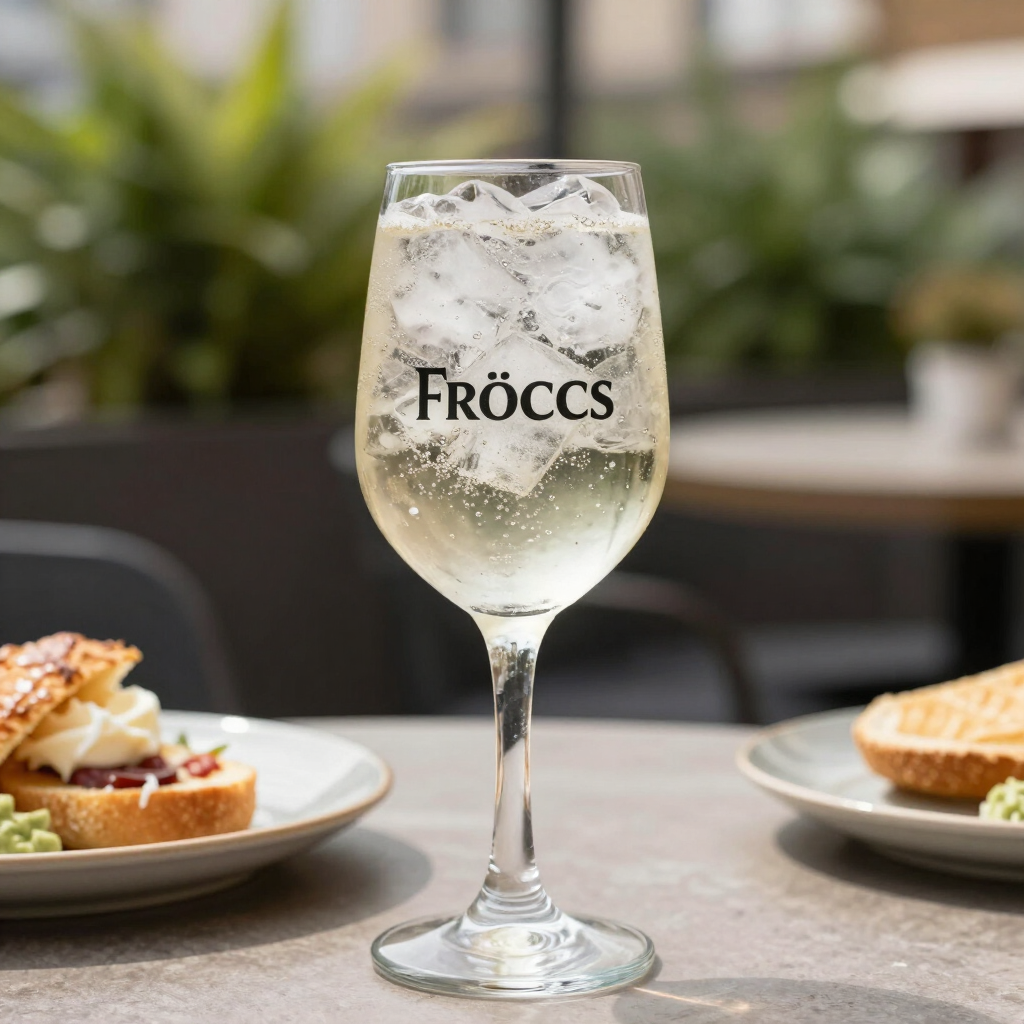
Fröccs
Wine + carbonated water, the official drink of the Hungarian summer. "Nagyfröccs" = 2 dl wine + 1 dl soda. A must in gardens and on terraces.

Unicum
Dark, bitter herbal liqueur since 1790! Locals drink it like the "Hungarian Jägermeister" — before meals or for indigestion.
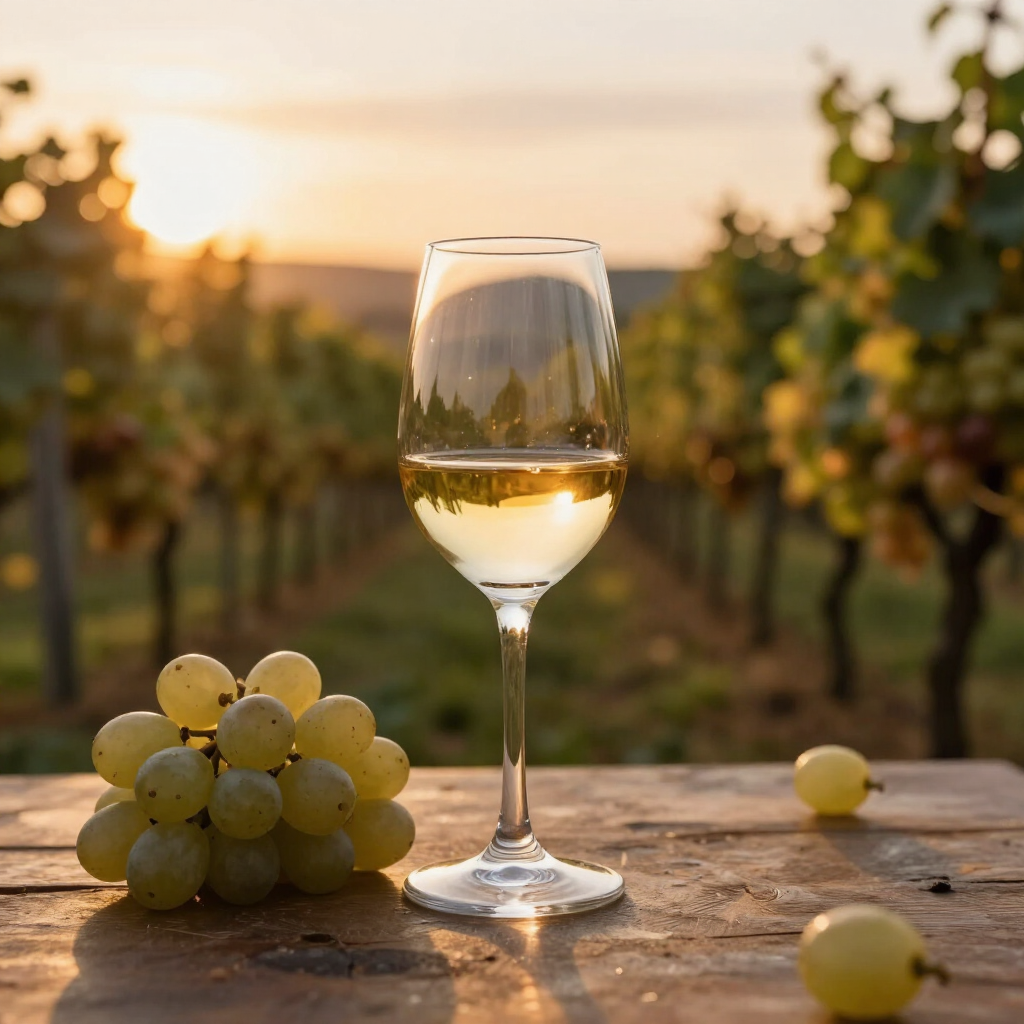
Tokaj Aszú
“The wine of kings, the king of wines” — sweet dessert wine from the Tokaj wine region, a UNESCO World Heritage landscape.
National Holidays in Hungary
Hungary celebrates three main national and state holidays. On these days, most shops, museums, and institutions are closed, and public transport runs on a holiday schedule. The following practical information will help you plan your trip.
March 15
National Holiday (Public Holiday)
Memorial Day of the 1848 Revolution and Freedom Fight
This day celebrates the birth of modern parliamentary Hungary. It is a symbol of freedom, independence, and national unity.
- Mood:
- People wearing cockades, solemn commemorations.
- Key spots:
- Hungarian National Museum, Buda Castle.
- Programs:
- Free museum visits, family days, hussar demonstrations.
Tip for tourists: The central celebration in the garden of the Hungarian National Museum is spectacular, but extremely crowded.
August 20
State Holiday (Public Holiday)
St. Stephen's Day and the Foundation of the State
Hungary's main state holiday. We commemorate our first Christian king, Saint Stephen, and the foundation of the state.
- Mood:
- All-day festival atmosphere, celebration of bread, gastronomic fairs.
- Key spots:
- Danube Bank, St. Stephen's Basilica, Kossuth Square.
- Programs:
- Street of Hungarian Flavors, military officer swearing-in ceremony, festive Holy Mass.
- Spectacle:
- Gigantic evening fireworks and light show over the Danube.
Tip for tourists: It is advisable to secure a spot around the Danube bridges hours in advance for the fireworks.
October 23
National Holiday (Public Holiday)
Memorial Day of the 1956 Revolution and Freedom Fight
Day of the uprising against the Soviet dictatorship and the proclamation of the Hungarian Republic in 1989. A celebration of the love for freedom and bravery.
- Mood:
- Quieter, dignified commemorations, lighting of candles.
- Key spots:
- Kossuth Square, House of Terror Museum, Corvin Alley.
- Programs:
- Wreath-laying ceremonies, light painting on the Parliament building, museum open days.
- Spectacle:
- Vintage "Csepel" retro trams operate along the Danube bank.
Tip for tourists: An ideal day for a free visit to the House of Terror Museum.
Holiday Closing Guide for Travelers
| Holiday | Grocery Stores | Museums | Restaurants & Cafés | Public Transport |
|---|---|---|---|---|
| March 15 | CLOSED | OPEN (Free Admission) | Mostly OPEN | Special Holiday Schedule |
| August 20 | CLOSED | Varies / OPEN | Mostly OPEN (Expect Crowds) | Increased frequency / Extra services |
| October 23 | CLOSED | OPEN (Free Admission) | Mostly OPEN | Special Holiday Schedule |
Hungarikums — What Defines Us
Hungarikums are values that make Hungary unique — from spice paprika to Herend porcelain, from pálinka to the Rubik's cube. Here are the most interesting ones from a tourist's perspective, complete with a short explanation and a tasting or sightseeing tip.
Flavors & Drinks
The world heritage of Hungarian cuisine and winemaking — from paprika to pálinka.
Hungarian Pálinka
Spirit distilled from fruit (plum, apricot, quince, apple), protected by law: only a 100% fruit-fermented distillate made in Hungary may bear the name "pálinka". Drunk in one gulp, without toasting.
Tourism tip: Taste it at the Craft Pálinka House in Budapest or Fakanál Restaurant in the Great Market Hall.
Goulash Soup
The best-known dish of Hungarian cuisine: beef, potatoes, csipetke, and plenty of paprika-based shepherd's soup. Important: it's a soup, not a stew — the foreign "goulash" is often a thick ragout, but the original Hungarian gulyás is a spoonable, spiced soup.
Tourism tip: Taste it in downtown restaurants or on the top floor of the Great Market Hall.
Halászlé
Paprika fish soup, traditionally made from carp. Two main versions: Baja and Szeged styles. Almost mandatory on the Christmas table.
Tourism tip: In Danube-side towns (Baja, Szeged) or at Halászkert in Budapest.
Tokaj Aszú
“The wine of kings, the king of wines” — sweet dessert wine from the Tokaj wine region, a UNESCO World Heritage landscape.
Tourism tip: Visit Tokaj or taste it at the Hungarian Wine House in Budapest.
Eger Bull's Blood
Eger's red wine, whose legend is tied to the 1552 Turkish siege. A blend of Kékfrankos, Kadarka, and other grape varieties — a full-bodied, spicy red wine.
Tourism tip: Taste it in the cellars of Szépasszony Valley in Eger.
Unicum
Dark, bitter herbal liqueur produced by the Zwack family since 1790 from over 40 herbs. Consumed as a stomach bitter, often before meals or to aid digestion.
Tourism tip: The Zwack Unicum Museum and Visitor Center in Budapest on Soroksári Road.
Kürtőskalács
Székely origin, sweet pastry roasted on a spit and rolled in cinnamon-vanilla sugar. The outer layer is caramelized, the inside soft. Best fresh, from street vendors.
Tourism tip: You can find it everywhere in downtown Budapest (Váci Street, Castle District).
Túró Rudi
Cottage cheese bar coated in chocolate — a childhood obsession for Hungarians. "Pöttyös" is the most famous brand. Best enjoyed chilled.
Tourism tip: Buy it in any supermarket or convenience store — a mandatory tasting.
Szeged Spice Paprika
The soul of Hungarian cuisine — ground spice paprika grown around Szeged and Kalocsa. Available in sweet-noble, hot, and rose varieties. The base of gulyás, pörkölt, and halászlé.
Tourism tip: Buy it in the Great Market Hall or in Szeged — the best souvenir.
Crafts & Applied Arts
The internationally renowned tradition of Hungarian porcelain and folk art.
Herend Porcelain
Globally renowned Hungarian porcelain made since 1826, used by both the British and Hungarian royal courts. Famous for its white, fine, hand-painted floral patterns (such as the "Victoria" pattern).
Tourism tip: The Herend Porcelain Museum (Herend, Veszprém county) or the Herend shop in Budapest.
Zsolnay Porcelain
Porcelain made in Pécs since 1853, famous for its metallic glaze called "eosin" — a greenish, lustrous, colorful surface. Used in architecture (e.g. the Budapest Post Palace) and in crafts.
Tourism tip: The Zsolnay Cultural Quarter (Pécs) – exhibitions and workshops.
Kalocsa Embroidery
A living folk art tradition in Kalocsa: brightly colored floral embroidery and patterns that appear on clothing, tablecloths, and even the packaging of the famous Kalocsa paprika.
Tourism tip: In Kalocsa at the Folk Art Museum, or in the Budapest Great Market Hall.
Matyó Embroidery
Vibrant floral embroidery (red, green, yellow) alive in Mezőkövesd, making Matyó folk costume world-famous. The "Matyó rose" is its symbol — a UNESCO intangible heritage.
Tourism tip: In Mezőkövesd at the Matyó Museum and the Hadas district.
Tradition & Knowledge
The world-famous tradition of Hungarian cavalry and Hungarian inventors.
Hungarian Hussar Tradition
Centuries-old tradition of Hungarian cavalry — hussars were light cavalry soldiers whose uniform (dolmány, mente, braiding) and cavalry tactics are world-famous. Horse shows are still a living tradition today.
Tourism tip: Horse shows at the Royal Palace of Gödöllő or the National Gallop (September).
Rubik's Cube
The three-dimensional logic puzzle invented in 1974 by Ernő Rubik of Hungarian descent, one of the best-selling toys in the world. A Hungarian intellectual hungarikum that teaches logic to generations.
Tourism tip: Buy it in souvenir shops — the perfect Hungarian keepsake to take home.
What to Bring Home?
The best Hungarian gifts: ground noble sweet paprika, Herend or Zsolnay porcelain, a bottle of Tokaj Aszú or pálinka, Unicum, chimney cake (fresh!), and a Rubik's cube. The Great Market Hall offers the best selection.